Pantelleria Project


Heather’s First Week

In the beginning…..

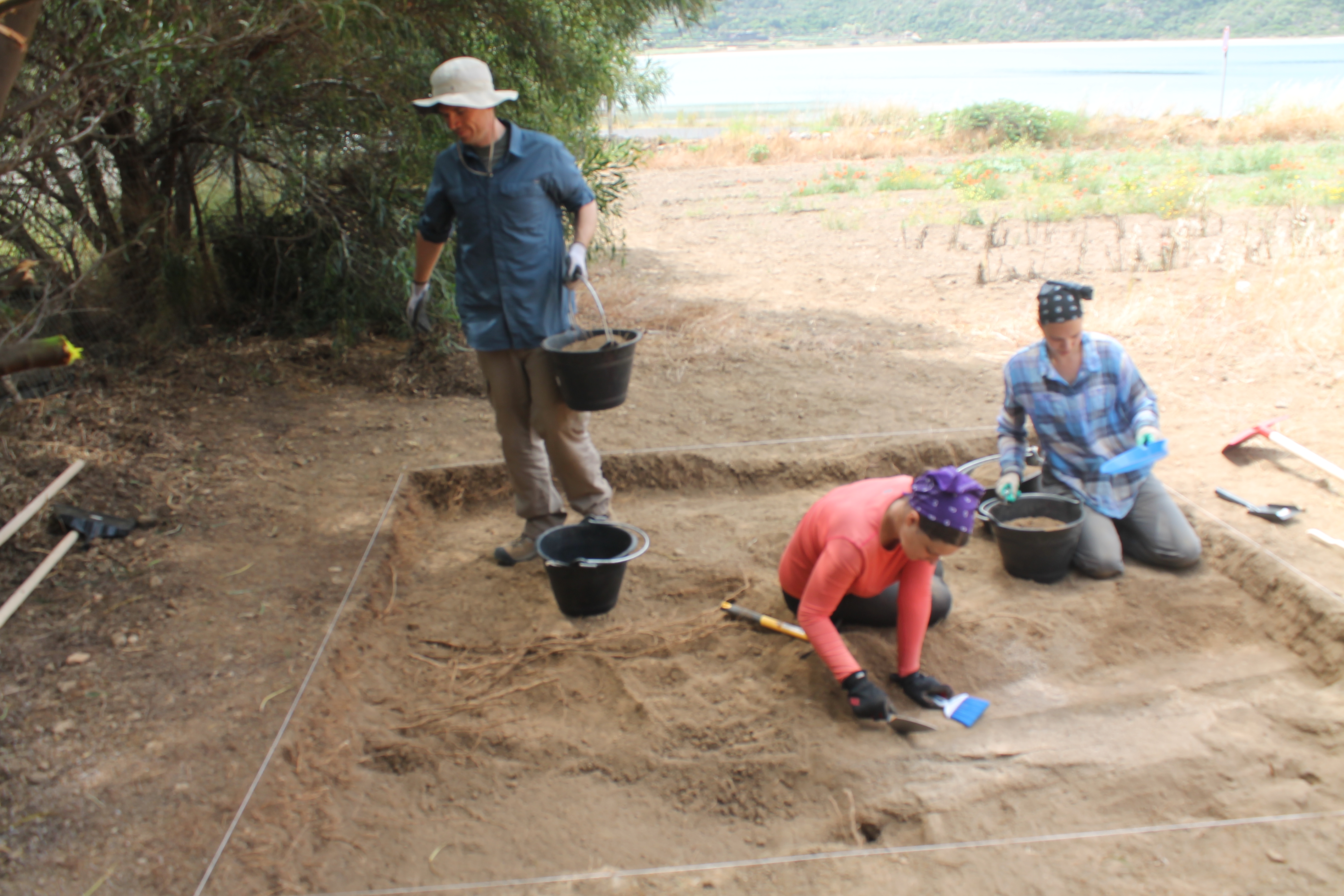
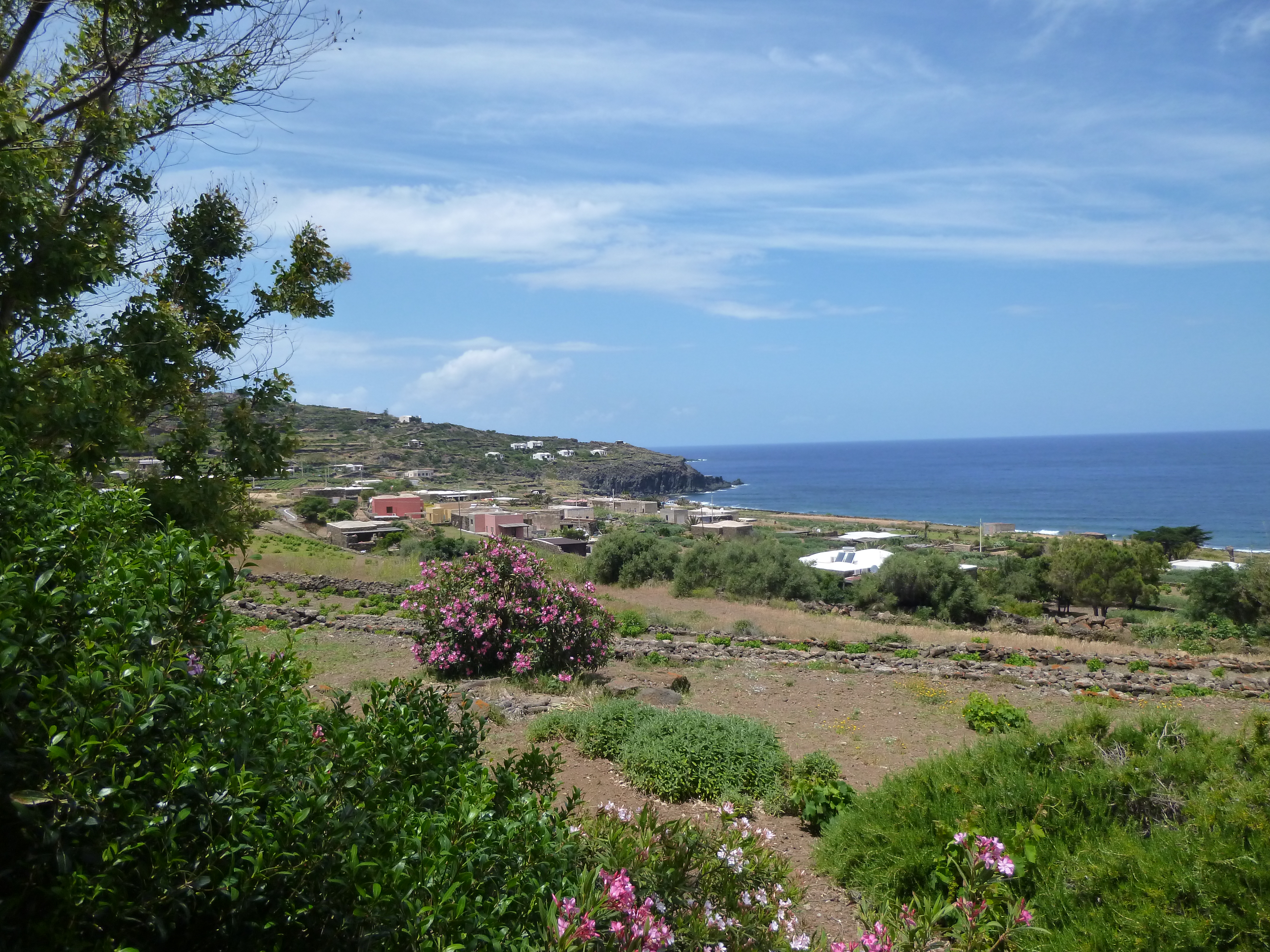
The first week of excavation has gone really well, and the view from our trench is jaw-dropping. We already have four trenches open, and I have learned so much, not only about the site itself but also about the general antiquity of Pantelleria and its role in the Mediterranean world. In one week I have gained a greater understanding of Greek, Roman, Italian and African history; one example being Pantelleria’s role in the obsidian trade. This being my first excavation I have learned a lot of practical skills of archaeology as well, like site drawing and photography. The most exciting find so far has been a terracotta knuckle bone (astragalos) found in the top soil of my trench, whereas my favourite moment off site would be watching the finches from our front porch migrate from Tunisia to Sicily.

Heather- Week One Blog Photo - Copy


Tom’s First Week

Getting The Boots Dirty

As soon as I saw how our propeller plane landed I realized how small this volcanic island really is. It can feel a little isolating at times, which is good for concentrating on work without many distractions, but it also presents a problem of getting the word out about this project. This week has been primarily focused on the initial stages of the excavation and getting familiar with Pantelleria town. The town itself has a unique aesthetic, contrasted by concrete block buildings built after the Second World War and its Norman castello in the town centre. Having not experienced a newly begun excavation, it was interesting for me to see how much GPR (ground penetrating radar) readings can determine the placement of trenches, and to learn the hypotenuse method of trench marking. Finally, the much smaller team than I had experienced previously has allowed for me to understand more about the goings-on of archaeology through a more personalized work environment.


Elliott’s First Week

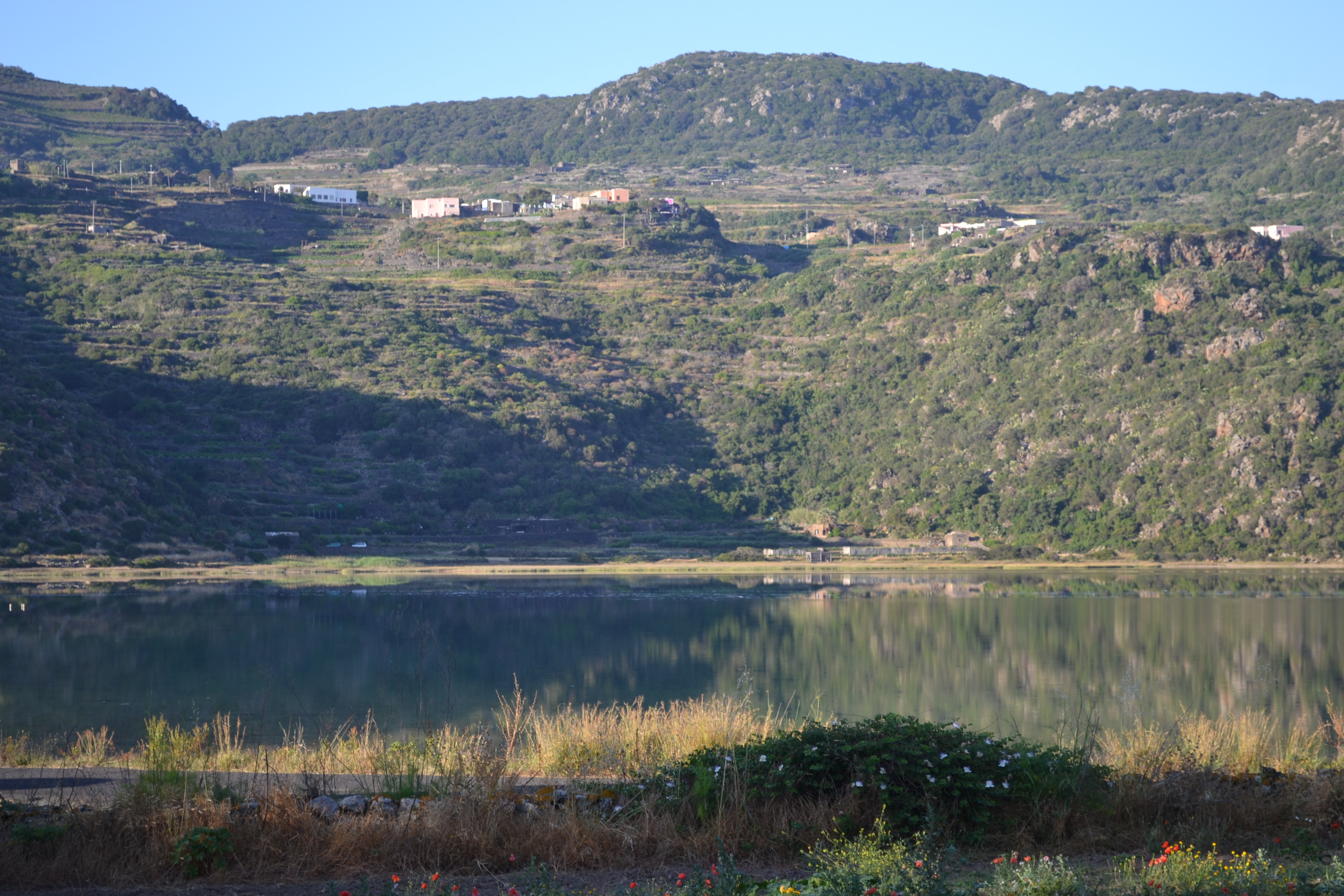
The first week of excavation for BUAPP 2015 has brought with it a host of new experiences. Along with the traditional activities of moving topsoil, watching with hawk-like eyes for pottery and other material culture, and using a trowel to observe minute changes in soil, I’ve had the chance to engage in some aspects of archaeological fieldwork that are new to me. One such aspect is the drawing of a plan, which reproduces a bird’s-eye view of a particular feature or stratigraphic unit (SU). Though juggling so many different activities is sometimes exhausting, one only has to turn and gaze upon the stunningly beautiful volcanic crater lake that lies close to our site to feel refreshed and reinvigorated. The lake, commonly called the Lago di Venere (Lake of Venus), also goes by another name, the Mirror of Venus, because of its amazingly clear, calm, reflective stillness.


Alexandra’s First Week

It was a very exciting week at Lago di Venere as we just started excavations! In such a short period of time, the team has got a great deal of work done and everyone should be very proud. Two trenches in and we have already found some interesting artefacts and features. Starting a new excavation is much different than joining one that has been open for some time. There is a lot that has to get done before getting to work in the field and learning about the process of it has been very eye opening. Waking up at 6am every morning is absolutely worth it because of the beautiful view from the site. The most exciting part about working in the field is learning while doing, rather than just sitting in a classroom. The things we learn in class prepare us for what we have in store during excavations, like being able to identify certain objects for example; but the field gives you a chance to apply everything you have learned.

Colombini- Week One Blog Photo - Copy